Popular Now










Losing everything in Rust isn’t the end of a wipe. In most cases, it’s the moment that separates experienced survivors from players who uninstall the game. The fastest recovery isn’t about farming harder or rushing back for revenge. It’s about protecting your remaining progression, making smart decisions under pressure, and rebuilding in the right order.
Almost every long-time Rust player has a story about logging in to find an empty foundation where a base once stood. One wipe it might be an offline raid. Another time it’s forgetting to refill the Tool Cupboard before going on vacation. Sometimes it’s simply losing a fight with a full inventory because confidence got a little too high. The reason barely matters once you’re standing naked on the beach.
The biggest mistake is assuming you need to recreate everything you lost immediately. You don’t.
Your goal is much simpler.
Get back into the progression loop before everyone else pulls even farther ahead.
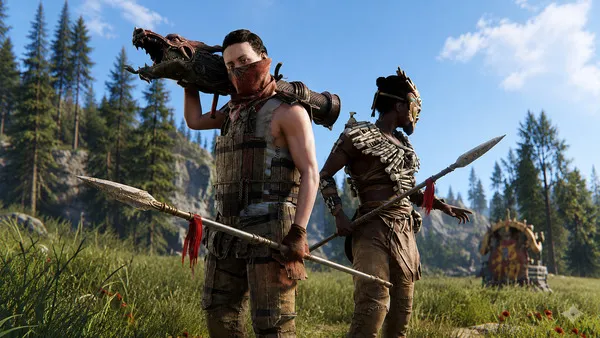
If you’re still learning the game’s survival systems, reading our Rust Survival Guide first will make many of the recovery decisions below much easier to understand.
Why Losing Everything in Rust Feels So Devastating
Losing a base hurts because you lose momentum, not just loot. Resources can always be farmed again, but wasted time and broken progression are much harder to recover.
Every experienced Rust player eventually realizes something interesting.
A box full of sulfur isn’t actually the most valuable thing inside a base.
Time is.
That armored door might represent twenty minutes of farming. A Tier 3 Workbench could represent several evenings of scrap runs. A collection of researched blueprints may have taken an entire weekend to unlock.
That’s why an empty base feels far worse than the numbers suggest.
It’s Not Really About the Loot
Two players can lose identical bases.
One quits.
The other rebuilds before sunset.
The difference is mindset.
Newer players tend to see every item as something irreplaceable. Veterans see loot as temporary and progression as permanent. If the blueprints survived or the wipe is still early, recovery is usually much faster than it first appears.
A funny pattern appears after hundreds of hours. The players who proudly say, “I lost everything,” often still have researched weapons, map knowledge, monument routes, and enough experience to rebuild faster than someone starting from scratch.
The Hidden Cost Nobody Talks About
The emotional damage usually causes more mistakes than the raid itself.
Many players immediately grab a rock, sprint toward the raider’s compound, and die three more times trying to recover a backpack that disappeared ten minutes ago.
Others spend hours farming enough materials to recreate their old base block for block, only to be raided again the next night because nothing about their strategy changed.
Recovering isn’t about replacing walls.
It’s about avoiding another collapse.
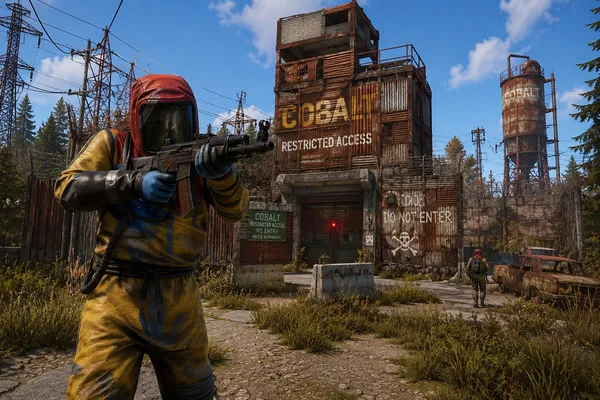
That’s one reason experienced players spend time studying Common Rust Mistakes That Get You Raided instead of simply copying another YouTube base design.
Why Veteran Players Recover Faster
After enough wipes, patterns become predictable.
Experienced players rarely panic because they’ve already lost much larger bases before. They know that within an hour they can usually reach primitive tools again, secure food, establish a hidden stash, and begin rebuilding their economy.
Ironically, some of the fastest recoveries happen after the biggest defeats because losing everything forces players to simplify their priorities.
Instead of protecting ten large boxes full of loot, they only need to protect one sleeping bag and a handful of tools.
Recovery Mindset Comparison
| Situation | New Player Reaction | Experienced Player Reaction |
|---|---|---|
| Offline raided | Rage quits the server | Checks what actually survived |
| Lost all weapons | Tries to craft guns immediately | Returns to primitive progression |
| Empty Tool Cupboard | Rebuilds in the same place instantly | Evaluates whether relocating is smarter |
| Sees raider’s base nearby | Attempts revenge | Focuses on rebuilding first |
| Has little scrap left | Spends it immediately | Saves it for the highest-value unlock |
Table 1. Typical reactions after losing a base in Rust.
Note: The fastest recovery usually comes from protecting progression rather than chasing lost loot.
The First 10 Minutes After Being Raided
Your first ten minutes determine whether the next several hours become productive or frustrating. Don’t think about revenge yet. Think about survival.
The temptation to run directly toward your destroyed base is almost impossible to ignore.
Most of the time, it’s also the wrong decision.
Raiders often stay nearby to eliminate returning owners. Even if they’ve already left, another player may be watching the area waiting for easy kills. Running back with nothing but hope usually creates another death screen.
Instead, slow down.
Those few extra seconds of planning often save the next two hours.
Check What Actually Survived
Before assuming everything is gone, inspect the area carefully.
Many raids leave behind overlooked items:
- Hidden sleeping bags
- Secondary Tool Cupboards
- Forgotten stashes
- External lockers
- Small loot rooms hidden behind honeycomb
- Unfinished raid paths
One surprisingly common mistake among raiders is ignoring low-value boxes. After hundreds of wipes, there have been plenty of recoveries that started with nothing more than a forgotten metal hatchet hidden behind a furnace.
Never assume the raid was perfectly clean.
Secure a Spawn Before Doing Anything Else
The first successful recovery usually begins with one thing.
A reliable place to respawn.
Without one, every death sends you back to the beach, and suddenly a simple farming trip becomes a thirty-minute marathon.
If every sleeping bag was destroyed, placing another one somewhere discreet becomes your highest priority.
It doesn’t need to be beautiful.
It just needs to exist.
Hide Any Remaining Resources
Suppose you recover 300 wood, some cloth, and a few components.
Don’t carry everything while searching for your next building location.
Split it.
Hide part of it.
Even experienced players underestimate how often panic farming leads to another complete reset. A single buried stash or concealed box can save an entire recovery if things go wrong again.
Ignore Revenge—for Now
This is probably the hardest advice in the entire guide.
Revenge feels productive.
It almost never is.
Walking toward a heavily armed clan with a crossbow because they destroyed your base is less a recovery strategy and more free entertainment for the other side.
There will be time for revenge later.
Right now, rebuilding your progression matters far more than winning an emotional fight.
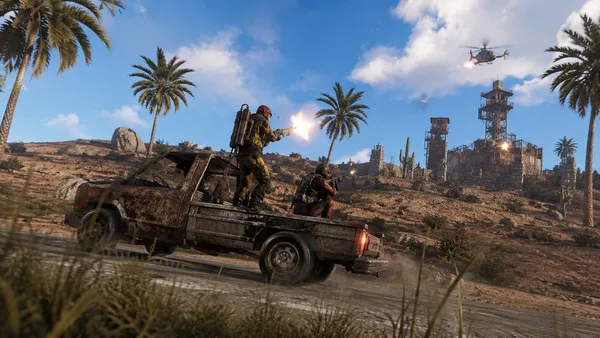
If you’re unsure how raiding actually works from the attacker’s perspective, spending a few minutes with our Rust Raid Guide often explains why certain bases become easy targets in the first place.
Recovery Priority Checklist
Recovering efficiently isn’t about doing more. It’s about doing the right things in the right order.
One lesson becomes obvious after enough wipes.
Players rarely fail because they can’t farm.
They fail because they farm the wrong things first.
Instead of asking, “What did I lose?”
Ask yourself,
“What do I need during the next thirty minutes?”
That single mindset shift changes everything.
Priority 1: Re-establish Safety
A sleeping bag.
Basic clothing.
Simple tools.
A temporary shelter.
Nothing else matters until repeated deaths stop resetting your progress.
Priority 2: Restore Basic Progression
Your next objective is restarting the survival loop.
That usually means gathering enough resources to craft primitive equipment while avoiding unnecessary PvP.
Fancy weapons can wait.
Being alive cannot.
Priority 3: Build an Economy Again
Once survival feels stable, scrap becomes the priority.
Components, recycling routes, and safe monument runs generate far more long-term value than chasing random fights.
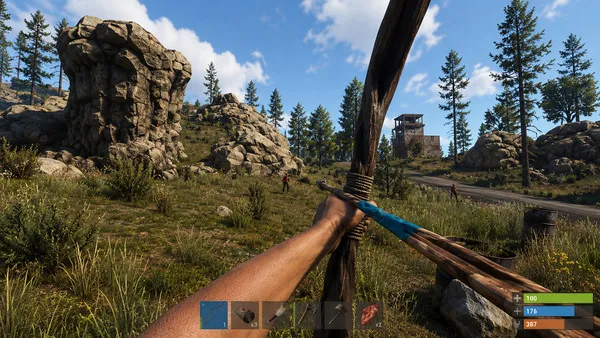
Later in this guide, we’ll cover efficient ways to rebuild your economy using Rust Scrap Farming Guide and Rust Recycle Guide, because the fastest recovery usually comes from smart scrap management rather than endless tree farming.
Priority 4: Upgrade Carefully
Many players rush to recreate yesterday’s fortress.
Experienced survivors build only what’s necessary.
A compact, difficult-to-spot starter base often survives longer than an oversized structure that announces, “Please raid me.”
Recovery Priority Timeline
| Time After Raid | Main Objective | Avoid |
|---|---|---|
| First 10 minutes | Secure spawn and assess damage | Revenge runs |
| First 30 minutes | Primitive tools, food, cloth | Large farming trips |
| First hour | Temporary shelter and storage | Expanding too early |
| Two to three hours | Scrap, blueprints, monument runs | Carrying every resource at once |
| End of first session | Stable progression and future plan | Trying to replace everything immediately |
Table 2. Recommended recovery priorities after losing everything in Rust.
Note: Progression speed depends on server population, wipe age, and whether you’re playing solo or with a group, but the order of priorities remains surprisingly consistent across almost every server.
Should You Rebuild or Move?
Rebuilding in the same location is only the right choice when the location is still strategically valuable and the raid wasn’t caused by poor positioning. If your base was discovered because of its location rather than bad luck, moving usually saves more time than rebuilding.
One of the biggest misconceptions in Rust is that recovering means rebuilding exactly where you died. Emotion pushes players toward familiar ground. Experience pushes them somewhere else.
Many players spend hours recreating the same footprint only to watch another group finish the job the following evening. The problem wasn’t the doors or the walls. The problem was choosing a location that was easy to scout, easy to surround, or too close to high-traffic monuments.
After enough wipes, it becomes obvious that every raid tells a story. The important question isn’t “Who raided me?” It’s “Why was my base worth raiding in the first place?”
Stay If the Location Still Works
Sometimes the location isn’t the problem.
Perhaps a neighboring clan simply wanted your sulfur. Maybe they were clearing nearby competition before building their compound. If the area still offers excellent farming routes, nearby monuments, and manageable player traffic, staying can actually speed up your recovery.
Before rebuilding, ask yourself a few simple questions.
- Is the monument route still profitable?
- Are nearby nodes spawning consistently?
- Can you reach Outpost or Bandit Camp safely?
- Did the attackers completely occupy the area?
If most answers are yes, rebuilding nearby can be worthwhile.
Move If You’re Fighting the Map Instead of Players
Certain locations create problems regardless of your building skills.
Bases next to Launch Site, Military Tunnels, or popular roads constantly attract attention. Even a well-designed bunker becomes difficult to defend when dozens of geared players pass by every hour.
A lesson many veterans learn the hard way is that surviving in Rust often means avoiding unnecessary visibility.
A smaller base hidden behind rocks, forests, or uneven terrain frequently survives much longer than an impressive fortress sitting beside a main road.
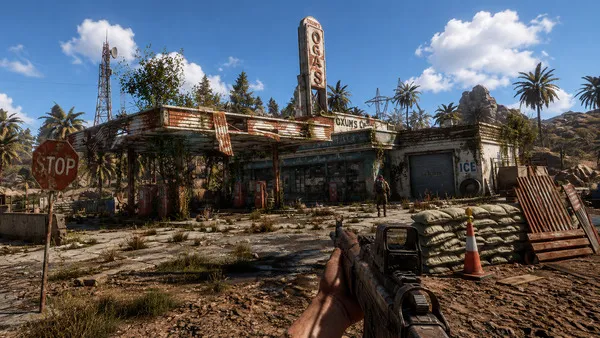
That’s why choosing a location deserves as much attention as designing the base itself. If you’re unsure what experienced players look for before placing their first foundation, How Veteran Rust Players Choose Base Locations breaks down the decision-making process in much greater detail.
When Relocating Saves More Time
Moving feels expensive because players focus on the cost of transporting resources.
They rarely calculate the time they’ll lose defending a bad location every single day.
Relocating becomes the smarter choice when:
- Your neighbors are already controlling the area.
- Multiple compounds overlook your base.
- Resource competition is extremely high.
- Your farming routes require crossing dangerous monuments.
- The wipe still has plenty of time remaining.
The best recovery isn’t always the fastest rebuild.
Sometimes it’s choosing a location where you won’t need another recovery tomorrow.
Should You Stay or Move?
| Situation | Stay | Move |
|---|---|---|
| Good farming routes remain | ✓ | |
| Nearby clan controls the area | ✓ | |
| Monument traffic is extremely high | ✓ | |
| Base was raided because of valuable loot only | ✓ | |
| Area becomes crowded after wipe | ✓ | |
| Hidden terrain nearby | ✓ | |
| Multiple raids happened within two days | ✓ |
Table 3. Deciding whether to rebuild or relocate after losing a base.
Note: A safer location often provides more long-term progression than an expensive base.
The Biggest Recovery Mistakes Players Make
Most failed recoveries happen because players rush emotionally instead of progressing logically. Losing twice after a raid is usually caused by poor decisions, not bad luck.
Watching someone recover after an offline raid tells you almost everything about their Rust experience.
New players think aggressively.
Veterans think efficiently.
That difference changes everything.
Farming Too Much Before Securing Storage
This mistake appears on almost every server.
A player spends forty minutes farming thousands of wood, stone, sulfur, and metal ore.
Then they die.
Everything disappears.
Recoveries should happen in small victories.
Gather enough.
Store it.
Repeat.
The safest inventory in Rust is always the one you’ve already deposited.
Carrying Your Entire Future
Another common mistake is transporting every valuable item at once.
Blueprints.
Scrap.
Components.
Metal fragments.
All inside one inventory.
Even experienced PvP players occasionally become overconfident after a successful farming run. Unfortunately, Rust doesn’t reward confidence nearly as often as it punishes greed.
Several shorter trips almost always outperform one perfect trip that never reaches home.
Rebuilding Yesterday’s Base
A raid creates an opportunity that many players ignore.
You now know exactly what failed.
Maybe your loot room was predictable.
Maybe your shooting floor never mattered.
Maybe your honeycomb wasn’t thick enough.
Instead of recreating the same design, improve it.
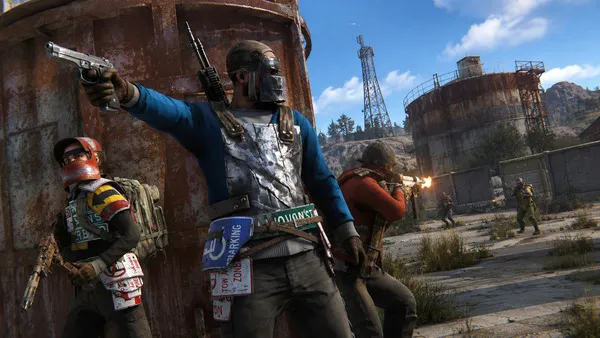
That lesson becomes much clearer after reading Common Rust Mistakes That Get You Raided, because many recurring raids have surprisingly similar causes.
Chasing Revenge Instead of Progress
Nothing destroys recovery momentum faster than revenge.
Imagine spending your last revolver and every remaining medical syringe trying to kill the clan that already controls the area.
Even if you win one fight, you’ve probably delayed your own recovery by another hour.
Experienced players almost always rebuild first.
Revenge comes later, when losing another fight no longer resets their progress.
Recovery Mistakes Compared
| Mistake | Immediate Result | Long-Term Impact |
|---|---|---|
| Farming huge amounts before storing | Bigger losses after death | Slower recovery |
| Carrying every resource at once | Inventory wipe | Lost progression |
| Rebuilding identical base | Same weaknesses remain | Higher chance of another raid |
| Seeking revenge immediately | More PvP deaths | Delayed rebuilding |
| Ignoring nearby threats | Constant interruptions | Endless recovery loop |
Table 4. The most common mistakes after losing everything in Rust.
Note: Most setbacks happen because players repeat habits that caused the original raid.
Recovery Strategies for Different Players
Recovery depends heavily on team size. A strategy that works perfectly for a four-player group can be disastrous for someone playing solo.
One reason recovery guides often feel incomplete is that they assume every player has the same resources.
They don’t.
A solo survivor and an eight-player clan are playing two completely different games.
Solo Players
Solo recovery is about remaining invisible.
Large bases, noisy monuments, and unnecessary fights create attention that solos simply can’t afford.
After many wipes, one pattern becomes impossible to ignore.
The strongest solo players rarely look strong.
Their bases stay compact.
Their farming routes stay unpredictable.
Their inventories remain surprisingly light.
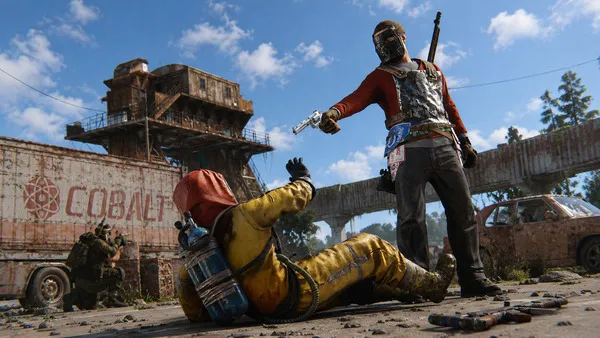
If solo play is your preferred style, Rust Solo Guide covers many survival habits that become even more valuable after a major setback.
Duo Players
Duos have one enormous advantage.
Someone can always keep progressing.
One player farms while the other builds.
One recycles while the other scouts.
That division of responsibility dramatically shortens recovery time.
Communication becomes more important than equipment.
A coordinated duo with bows often out-recovers two unorganized players carrying assault rifles.
Small Groups
Groups of three to six players recover quickly because tasks become specialized.
One person gathers cloth.
Another farms nodes.
Someone crafts.
Someone scouts nearby compounds.
The mistake many small groups make is trying to move together constantly.
That usually creates slower progression instead of better security.
Large Clans
Large clans rarely struggle because of resources.
They struggle because of organization.
The best clan recoveries usually happen when leaders assign clear priorities instead of letting everyone farm randomly.
A hundred boxes of stone won’t help if nobody rebuilds Tool Cupboards.
Recovery Comparison by Team Size
| Team Size | Biggest Strength | Biggest Weakness | Recommended Focus |
|---|---|---|---|
| Solo | Stealth | Limited manpower | Stay hidden and rebuild quietly |
| Duo | Flexibility | Shared resources | Split responsibilities |
| Small Group | Fast progression | Communication | Assign specialized roles |
| Large Clan | Massive farming power | Coordination | Organize rebuilding priorities |
Table 5. Recovery priorities based on team size.
Note: Efficient teamwork creates faster recovery than simply adding more players.
Recovery During Different Wipe Stages
The age of the server matters as much as the raid itself. Recovering on wipe day is completely different from recovering during the final days of a monthly server.
Many recovery guides ignore this entirely.
That’s a mistake.
The same strategy can be brilliant on Day 1 and completely ineffective three weeks later.
Early Wipe
Recovery is surprisingly forgiving.
Everyone is still poor.
Primitive weapons dominate.
Resources remain plentiful.
Even losing a starter base usually costs less than one evening of progression.
This is often the best time to relocate if necessary.
Mid Wipe
This stage becomes much more competitive.
Most players already own firearms.
Large compounds begin controlling monuments.
Safe farming routes become increasingly valuable.
Recovery requires smarter decisions rather than faster farming.
Late Wipe
Late wipe changes priorities again.
Instead of trying to build a massive base, focus on enjoying the remaining days while preparing for the next reset.
Investing six hours rebuilding a fortress one day before a forced wipe rarely makes sense.
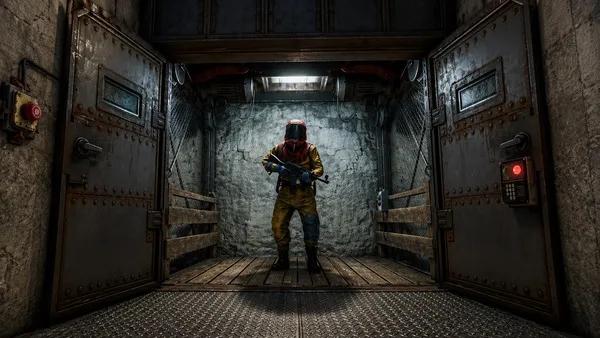
Understanding where the server currently sits in its lifecycle helps avoid wasting valuable time, which is why Rust Wipe Guide should become required reading for anyone planning long-term progression.
Recovery Priorities Throughout a Wipe
| Wipe Stage | Main Goal | Best Strategy |
|---|---|---|
| Early Wipe | Catch up quickly | Farm, relocate if needed, expand gradually |
| Mid Wipe | Protect progression | Play efficiently and avoid unnecessary risks |
| Late Wipe | Maximize remaining fun | Keep builds simple and prepare for next wipe |
Table 6. Recovery priorities at different stages of a Rust wipe.
Note: Successful players adjust their recovery plan based on server age instead of following the same routine every time.
At first, recovering after a raid feels like replacing lost items. Eventually, you realize it’s really about rebuilding momentum. Once that perspective changes, every decision becomes easier because you’re no longer trying to recover yesterday’s loot—you’re investing in tomorrow’s progression.
Advanced Recovery Tips That Separate Veteran Players
Turn the First Hour Into an Investment, Not a Grind
The first hour after getting raided determines whether you’ll be back on your feet tonight or still struggling tomorrow. Don’t measure success by how many resources you’ve farmed. Measure it by how much progress can’t be taken away.
That’s why experienced Rust players don’t chase huge farming runs immediately. They prioritize permanent progression.
The first 500 scrap spent on essential blueprints is often worth more than several boxes of sulfur. A repaired workbench matters more than another stack of stone. Unlocking better equipment changes every hour that follows.
When rebuilding, think in milestones rather than loot totals.
Reach Tier 1.
Craft a furnace.
Research a metal pickaxe.
Upgrade to metal doors.
Everything after that becomes easier.
Ironically, the players who appear to recover the fastest usually spend less time farming than everyone else because every trip has a clear objective.
Learn to Read the Server Instead of Fighting It
Rust servers have their own rhythm.
Good players don’t force progress against that rhythm—they work with it.
Watch when neighboring clans log off.
Notice which monuments become quiet after peak hours.
Observe where cargo ships attract half the server.
These patterns create opportunities that aren’t visible on the map.
One habit I’ve picked up over hundreds of hours is spending five minutes simply watching before leaving base. That short pause often tells me which direction is currently safe and which road is about to become a death trap.
If you constantly die during recovery, the issue isn’t always your aim.
Sometimes you’re simply moving through the wrong place at the wrong time.
Understanding server flow is also one reason Rust Monument Guide becomes more valuable after you’ve been raided than before.
Build for Tomorrow, Not for Tonight
Many players rebuild as though the next raid is impossible.
Veterans rebuild assuming another raid is guaranteed.
That small difference changes every decision.
Instead of creating one enormous loot room, split valuables across multiple locations.
Instead of upgrading everything immediately, strengthen the sections attackers are most likely to reach first.
Instead of decorating the exterior with high-tier deployables, keep your base looking average.
Rust rewards players who appear poor.
Looking wealthy is often more dangerous than actually being wealthy.
One of the safest bases I’ve ever maintained barely stood out from dozens of neighboring starter homes, yet it survived an entire monthly wipe because nothing about it looked exciting enough to raid.
Keep a Hidden Recovery Cache
The smartest players almost never lose absolutely everything.
Not because they never get raided.
Because they prepare for failure before it happens.
A simple hidden stash containing basic clothing, food, stone tools, and a sleeping bag can reduce hours of recovery into fifteen minutes.
Some players go even further by maintaining a tiny 1×1 backup base several grids away with a furnace, repair bench, and a few researched weapons.
Most of the time you’ll never touch it.
The one time you do, you’ll wonder why you didn’t start doing it sooner.

This philosophy is explored further in Rust Base Defense Guide, where backup planning becomes just as important as wall strength.
Stop Thinking About Winning Every Fight
Winning every fight isn’t the goal.
Making every fight meaningful is.
One of the biggest mindset changes happens when you realize you don’t need to defend every resource node, every crate, or every recycler.
Sometimes walking away is the highest-value play available.
Every unnecessary fight carries hidden costs.
Ammo.
Medical supplies.
Armor durability.
Lost farming time.
Mental frustration.
Veterans don’t avoid combat because they’re afraid.
They avoid low-value combat because they’ve already calculated the opportunity cost.
Advanced Recovery Checklist
| Priority | Why It Matters | Complete? |
|---|---|---|
| Secure sleeping bag | Prevent long spawn runs | □ |
| Craft basic tools | Maintain resource flow | □ |
| Rebuild furnace | Restore metal production | □ |
| Replace metal doors | Improve security immediately | □ |
| Research critical blueprints | Permanent progression | □ |
| Split loot storage | Reduce raid losses | □ |
| Create emergency stash | Faster future recovery | □ |
Table 7. Veteran recovery priorities after an offline raid.
Signs You’re Recovering the Right Way
Recovering successfully doesn’t always feel impressive.
In fact, it often feels slow.
You’re making smaller farming runs.
You’re avoiding unnecessary fights.
You’re spending more scrap on research than weapons.
You’re leaving monuments earlier than everyone else.
None of these choices look exciting in the moment.
Yet after several evenings, something interesting happens.
Your neighbors are rebuilding from another raid while you’re quietly expanding.
That’s the difference between recovering emotionally and recovering strategically.
Frequently Asked Questions
How long does it usually take to recover after being raided in Rust?
Most solo players can rebuild a functional starter base within one to three hours if they still have blueprint progress. Complete recovery to previous strength may take several sessions depending on server population and wipe stage.
Should I switch servers after getting raided?
Usually not. Unless the server has become overwhelmingly dominated by one clan or you’re joining extremely late in the wipe, staying often saves more time than restarting blueprint progression elsewhere.
Is it worth rebuilding near the players who raided me?
Only if the location still offers strong resources and you believe the raid was opportunistic rather than territorial. If the attackers are expanding into the area, relocating is normally the safer investment.
What’s the fastest way to get scrap again?
Road farming remains one of the most consistent methods, especially if you recycle frequently instead of carrying large inventories. Smaller, repeated recycling trips usually outperform one massive run.
Should I focus on weapons or base upgrades first?
Basic protection almost always comes first. A secure base with metal doors protects future progress, while stronger weapons only matter if you survive long enough to use them.
Final Thoughts
Getting raided feels like the end of your progress only the first few times.
Eventually, you begin to recognize something experienced Rust players rarely talk about: recovering is its own skill.
Aim helps.
Game knowledge helps.
Blueprints help.
But the players who consistently bounce back aren’t necessarily better fighters. They’re simply better at making calm decisions when everyone else is frustrated.
Once you stop treating raids as catastrophic failures and start treating them as part of the wipe cycle, your progress becomes surprisingly difficult to erase. That’s often the point where Rust shifts from being brutally punishing to endlessly rewarding.
Frequently Asked Questions
Can you fully recover after losing everything in Rust?
Yes, as long as the server hasn’t reached its final days and you still understand the progression system. Most experienced players recover much faster than beginners because they prioritize blueprints, safe storage, and efficient farming instead of trying to replace every item they lost.
Is an offline raid worse than dying during PvP?
Usually, yes. PvP deaths often cost one inventory, while an offline raid can erase several days of accumulated resources. The good news is that both situations can be recovered from using the same progression-first mindset.
Should I rebuild in the exact same spot?
Only if the location itself wasn’t the reason you got raided. If nearby clans now control the area or your base was exposed on a busy route, relocating is often the smarter long-term decision.
What’s the fastest way to recover as a solo player?
Stay hidden, keep your inventory small, and focus on rebuilding your economy before chasing PvP. A compact starter base, reliable scrap income, and researched blueprints matter far more than finding an early firearm.
Is farming sulfur the best way to recover?
No. Sulfur has little value if you don’t have the infrastructure to protect it. Prioritize metal fragments, scrap, food, cloth, and secure storage before investing time in sulfur farming.
Should I switch servers after a major raid?
Only if the server is clearly beyond recovery. If dominant clans completely control monuments, the wipe is almost over, or cheaters have ruined progression, changing servers can save more time than rebuilding.
Why do experienced players recover so much faster?
Because they protect momentum instead of loot. Veteran players know exactly what they need during the next thirty minutes, while newer players often waste hours trying to replace everything they lost.
Is revenge ever worth it?
Yes, but only after your recovery is stable. Taking revenge while you’re still rebuilding usually leads to another setback, since every weapon, medical item, and minute spent fighting delays your own progression.
How do I stop getting raided repeatedly?
Build smarter instead of bigger. Choose less obvious locations, avoid advertising wealth, spread valuable loot across multiple rooms, and make your base expensive enough that raiders prefer an easier target.
You’ll find more long-term defensive strategies in Rust Bunker Base Guide and Rust Best Base Designs, where efficient layouts matter more than simply adding extra walls.
What should I do if another player kills me while I’m rebuilding?
Treat it as a minor setback instead of starting over. Recover what you reasonably can, replace basic tools, and continue following your recovery priorities. Constantly restarting your plan is usually more damaging than the death itself.
How many backup stashes should I keep?
At least one hidden stash is recommended for solo players, while larger groups often maintain several emergency caches in different parts of the map. The goal isn’t storing massive amounts of loot but ensuring you always have enough resources to restart quickly.
What’s the biggest lesson every Rust player eventually learns?
Everything in Rust is temporary except experience. Bases disappear, weapons break, and wipes reset every server, but every mistake teaches something that makes the next recovery easier.
Recovery Timeline at a Glance
| Time | Primary Goal | Secondary Goal | Common Mistake |
|---|---|---|---|
| First 10 minutes | Secure a spawn | Assess remaining loot | Running back for revenge |
| First hour | Primitive progression | Build temporary shelter | Farming too much at once |
| First day | Restore scrap income | Unlock key blueprints | Expanding too early |
| Next few sessions | Rebuild economy | Upgrade defenses | Recreating the old base without improvements |
Table 8. A practical recovery timeline after losing everything in Rust.
Note: The exact timing depends on server population, wipe stage, and whether you’re playing solo or with a group.
Key Takeaways
Recovering after losing everything in Rust isn’t about replacing every box of loot. It’s about rebuilding your ability to make progress.
The strongest players don’t recover faster because they have better aim or better luck. They recover faster because they make fewer emotional decisions. They know when to relocate, when to avoid fights, when to hide resources, and when to accept that some losses simply aren’t worth chasing.
If there’s one habit worth developing after every raid, it’s this: ask what will make tomorrow’s session easier instead of trying to undo yesterday’s mistake. That shift in thinking turns recovery from a frustrating grind into just another stage of progression.
As you become more comfortable with rebuilding, you’ll naturally start connecting every part of Rust’s survival loop. Improving your Rust Progression Guide, optimizing routes with Rust Scrap Farming Guide, choosing stronger layouts from Rust Best Base Designs, and mastering safer raids through Rust Raid Guide all contribute to the same outcome: spending less time recovering and more time controlling the wipe.
Eventually, you’ll notice something surprising. Getting raided no longer feels like the end of your story. It simply becomes another chapter in it.