Popular Now








Introduction
Yes, Fortnite is still worth playing in 2026, but probably not for the reasons you expect.
If you’re asking this question, you’re likely not looking for player counts or another list of recent updates. You’re trying to decide whether the game deserves your time. That’s a much more interesting question because downloading Fortnite is free, but learning it isn’t. Every live-service game asks for hours of your attention before it starts paying you back with memorable moments, and not every game earns that investment.
Fortnite has changed more than almost any multiplayer game over the past several years. Someone who last played in Chapter 1 would barely recognize parts of it today. Someone who has never touched the game might assume it’s only about building towers at impossible speeds. Both impressions are outdated.
The biggest difference isn’t a new weapon or another map update. It’s that Fortnite has quietly become much easier to approach without losing the depth that keeps longtime players coming back. Zero Build removed the mechanic that scared away countless newcomers, matchmaking does a better job easing players into the experience, and the game itself has grown into something much larger than a traditional battle royale.
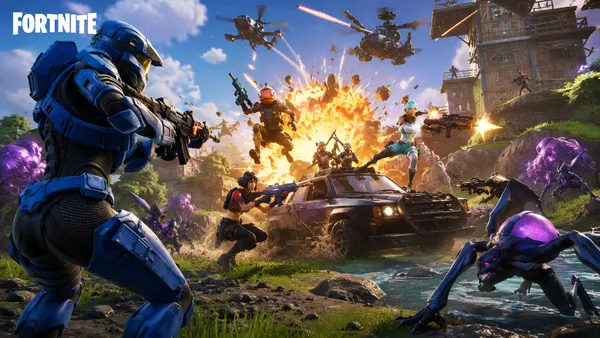
After spending hundreds of hours across different chapters, one thing becomes obvious. People rarely quit Fortnite because they run out of things to do. They quit because they approach it with the wrong expectations.
Some expect a realistic military shooter and bounce off the colorful art style.
Others expect instant success, only to discover that battle royale games reward patience more than aggression.
Then there are players who discover that Fortnite isn’t competing with games like PUBG as much as it’s competing with Netflix, YouTube, Discord, and every other way people spend an evening with friends.
That’s why answering whether Fortnite is worth playing requires more than saying “yes” or “no.”
The real question is much simpler.
Is Fortnite the right game for you?
By the end of this guide, you’ll know exactly who will love Fortnite in 2026, who probably won’t, and whether it’s worth investing your time before clicking that download button.
Who Should Play Fortnite in 2026?
Fortnite is absolutely worth playing if you’re looking for a multiplayer game that stays fresh without demanding your entire life. It isn’t perfect, and it certainly isn’t for everyone, but few games offer the same variety of experiences under one roof.
One mistake many review articles make is treating every player as if they wants the same thing.
They don’t.
The experience of someone who plays two evenings a week is completely different from someone grinding Ranked every night. Likewise, a returning player who quit years ago has very different concerns from someone installing Fortnite for the first time.
The better question isn’t whether Fortnite is good.
It’s whether Fortnite fits the kind of player you are.
New Players Looking for Their First Battle Royale
If you’ve never seriously played a battle royale before, Fortnite is arguably one of the easiest places to start in 2026.
That might sound surprising considering the game’s reputation for impossible building battles, but Zero Build changed everything.
Without the pressure of learning advanced construction mechanics, beginners can focus on skills that exist in almost every shooter:
- Movement
- Positioning
- Map awareness
- Weapon management
- Decision making
The learning curve still exists, but it feels much more reasonable than it did a few years ago.
More importantly, the game gives new players enough breathing room to understand why they lost instead of simply overwhelming them.
That alone makes the experience far less frustrating.
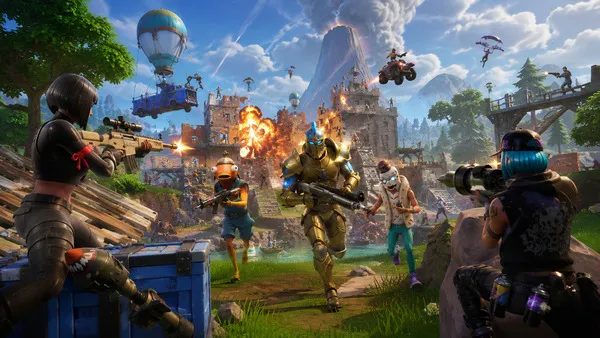
If you’re completely new, start with Fortnite Beginner Guide before worrying about advanced mechanics or Ranked play.
Players Who Like Games That Constantly Change
Some multiplayer games barely evolve.
Fortnite is the opposite.
New seasons introduce fresh mechanics, different weapons, map changes, collaborations, and limited-time events so frequently that the game rarely feels frozen in time.
That constant evolution is one of Fortnite’s greatest strengths.
It also explains why players who return after a year often feel like they’re discovering an entirely different game.
One season might encourage aggressive movement with powerful mobility items.
Another season slows everything down and rewards careful positioning.
The core battle royale formula stays recognizable, but each chapter develops its own personality.
If you enjoy learning new systems instead of repeating the exact same match every evening, Fortnite remains one of the strongest live-service games available.
Casual Players With Limited Free Time
One concern comes up surprisingly often.
“I’m too busy for games like this.”
That concern made sense years ago when battle passes in many games felt like second jobs.
Fortnite handles this better than many competitors.
A typical match lasts around twenty to twenty-five minutes. You can log in after work, play a couple of games with friends, complete a few objectives, and log out without feeling like you’ve fallen hopelessly behind everyone else.
Of course, players who invest hundreds of hours will always improve faster.
That’s true in every competitive game.
The difference is that Fortnite still creates enjoyable moments even during short sessions.
Winning isn’t the only reward.
Some evenings are memorable simply because an unexpected firefight breaks out inside a collapsing building or because your squad escapes the Storm by stealing a vehicle at the last second.
Those moments don’t require elite skill.
They simply require playing.
Players Who Enjoy Social Gaming
Few multiplayer games generate stories quite like Fortnite.
Competitive shooters often revolve around statistics.
Fortnite creates memorable situations.
One match might end with your entire squad hiding inside a bush while two other teams eliminate each other nearby.
Another might involve escaping the Storm using the last available vehicle with almost no fuel left.
Those moments become the stories people laugh about later in Discord rather than clips uploaded to social media.
That’s one reason Fortnite works so well as a game to play with friends.
Even losing can be entertaining.
The variety keeps conversations going long after the match ends.
If your main goal is spending time with friends rather than climbing competitive ladders, Fortnite is still one of the best choices available.
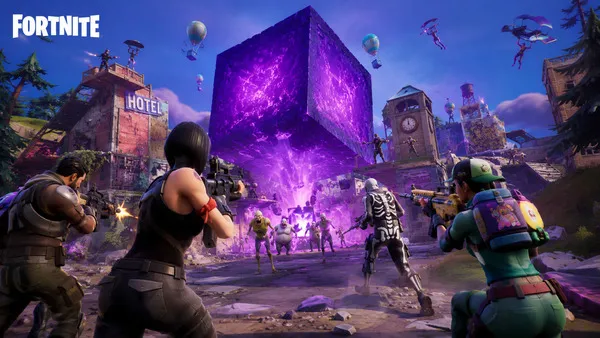
Creative Players Who Want More Than Battle Royale
Many people still think Fortnite begins and ends with Battle Royale.
That hasn’t been true for years.
Today, Fortnite feels closer to a gaming platform than a single game.
Players can jump between different experiences without leaving the launcher.
Some evenings are spent chasing Victory Royales.
Others involve racing, music experiences, community-made islands, or completely different game modes created through Unreal Editor for Fortnite.
That variety gives Fortnite something many competitors struggle with.
When you’re tired of Battle Royale, you don’t necessarily have to stop playing Fortnite.
You simply play something different inside the same ecosystem.
This flexibility has quietly become one of the biggest reasons longtime players stick around.
Who Benefits Most From Fortnite?
| Player Type | Is Fortnite Worth It? | Why |
|---|---|---|
| Complete beginners | ⭐⭐⭐⭐⭐ | Zero Build makes learning much easier than before. |
| Casual players | ⭐⭐⭐⭐⭐ | Short sessions still feel rewarding. |
| Friends looking for a social game | ⭐⭐⭐⭐⭐ | Excellent squad gameplay and memorable moments. |
| Competitive players | ⭐⭐⭐⭐☆ | High skill ceiling with Ranked progression. |
| Creative players | ⭐⭐⭐⭐⭐ | Far more than just Battle Royale. |
| Returning players | ⭐⭐⭐⭐⭐ | Enough changes to feel fresh without losing its identity. |
Table 1. Which types of players will enjoy Fortnite the most in 2026
Note: Enjoyment depends more on your expectations than your previous experience with shooters.
Choosing whether Fortnite is worth playing isn’t really about graphics, player counts, or the latest crossover skin. It’s about finding a game that matches the way you like to play. If everything above sounds appealing, Fortnite has probably earned a spot on your hard drive. If you’re still unsure, the next question is even more important because sometimes the best recommendation isn’t telling someone to play a game—it’s explaining who probably shouldn’t.
Who Probably Won’t Enjoy Fortnite?
Fortnite is an excellent game, but it isn’t a universal recommendation. If your gaming preferences clash with the way Fortnite is designed, no amount of updates or crossover events will change that.
That’s actually one of the reasons the game has survived for so many years. It has never tried to please everyone. Instead, it has doubled down on being a fast-moving, constantly evolving live-service game.
Knowing who shouldn’t play Fortnite is just as valuable as knowing who should.
Players Who Want a Realistic Military Shooter
If your ideal shooter is grounded, tactical, and focused on realism, Fortnite will probably feel strange no matter how many hours you give it.
The weapons are inspired by real firearms, but the overall experience isn’t trying to simulate modern combat. The colorful visuals, exaggerated animations, oversized hammers, mythical weapons, and occasional collaborations with superheroes or movie characters constantly remind you that Fortnite values entertainment over realism.
That creative freedom is exactly why millions of players love it.
It’s also why others never connect with it.
After switching between Fortnite and games like PUBG or Escape from Tarkov, the contrast becomes obvious. Those games create tension through realism. Fortnite creates excitement through unpredictability.
Neither philosophy is better.
They’re simply built for different audiences.
If realistic gunplay is your number one priority, Fortnite may never replace your favorite shooter.
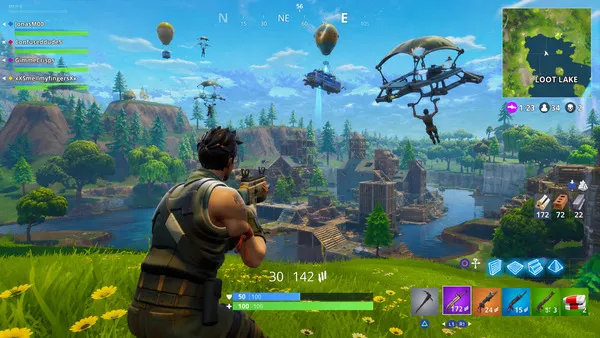
Players Who Hate Constant Change
Some games reward mastery by remaining almost identical for years.
Fortnite does the opposite.
Maps change.
Weapons disappear.
Mobility items rotate in and out.
Entire mechanics can arrive with one season and vanish the next.
For longtime players, that’s part of the appeal. Every new season feels like starting a familiar game with a fresh set of rules.
For others, it’s exhausting.
One friend stopped playing after nearly two years, not because he disliked Fortnite, but because every time he returned, something fundamental had changed. His favorite landing spot was gone, familiar weapons had been vaulted, and strategies that worked months earlier suddenly felt outdated.
If you’re someone who enjoys learning one system and mastering it over hundreds of hours without major disruption, Fortnite’s update cycle might eventually become frustrating.
Players Who Only Care About Competitive Stability
Competitive players usually appreciate balance.
Fortnite appreciates experimentation.
Those two ideas don’t always coexist peacefully.
Every season introduces new items that generate excitement, but they also create temporary balance debates. Sometimes a new weapon dominates public matches for weeks before adjustments arrive. Other times, mobility changes completely reshape how people approach the game.
That’s exciting for casual players because every season feels different.
For highly competitive players, it can occasionally feel like learning a new meta before the previous one fully settled.
Epic generally responds faster than many live-service developers, but if you expect a perfectly stable competitive environment year-round, Fortnite probably won’t satisfy that expectation.
Fortunately, most casual players won’t even notice many of those balance discussions.
Players Looking for a Single-Player Experience
Fortnite tells stories differently than traditional games.
Its memorable moments aren’t scripted missions.
They’re situations that happen naturally between players.
That’s why some people never connect with it.
If your favorite evenings involve rich narratives, carefully written characters, and progressing through a story at your own pace, Fortnite isn’t designed to replace those experiences.
Even though the game now includes creative worlds and alternative modes, multiplayer interaction remains its heart.
The most memorable moments usually happen because another player makes an unexpected decision.
No AI can recreate that.
Players Who Dislike Losing While Learning
Battle royale games have an unusual learning curve.
You’ll probably lose far more matches than you win.
That’s normal.
Even experienced players spend most evenings losing far more games than they win because only one player or squad finishes first.
The difference is that veteran players stop measuring success only by Victory Royales.
Instead, they notice smaller improvements.
Surviving one extra Storm Circle.
Winning more early fights.
Rotating at better times.
Building better inventories.
Players who enjoy gradual improvement usually fall in love with Fortnite.
Players who expect immediate success often uninstall it before reaching the stage where everything suddenly starts making sense.
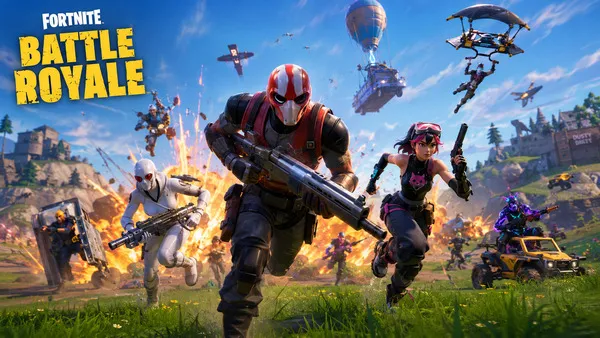
That turning point usually arrives much sooner than people expect, especially after spending some time with the Fortnite Beginner Guide, but it still requires patience.
Fortnite Isn’t Built Around Predictability
Perhaps the biggest misunderstanding surrounding Fortnite is that it’s simply another online shooter.
It isn’t.
It’s closer to a constantly changing sandbox where every match creates different stories.
Sometimes you’ll dominate an entire lobby.
Sometimes you’ll land, open one chest, and get eliminated thirty seconds later because another player found a better shotgun.
Oddly enough, those unpredictable moments are exactly what keep longtime players coming back.
The best Fortnite sessions rarely unfold according to plan.
They’re remembered because something completely unexpected happened halfway through the match.
If unpredictability sounds stressful rather than exciting, Fortnite may not become your favorite game.
What’s Changed Since the Early Years?
Fortnite in 2026 is dramatically better for new and returning players than the version most people remember. The core battle royale formula remains intact, but almost everything surrounding it has evolved.
This is probably the biggest reason so many former players are surprised when they come back.
The game they left behind doesn’t really exist anymore.
Zero Build Changed Fortnite More Than Any Weapon Ever Could
Ask someone who quit around 2019 why they stopped playing, and you’ll hear a familiar answer.
“Everyone built too fast.”
That single complaint pushed thousands of players away.
Epic’s answer wasn’t making building easier.
It was creating an entirely new way to play.
Zero Build quietly became one of the smartest decisions in Fortnite’s history because it removed the biggest psychological barrier without taking anything away from players who loved traditional Build mode.
The result is fascinating.
Today, two friends with completely different preferences can enjoy Fortnite together.
One spends evenings mastering edit plays.
The other has never placed a single wall.
Both are playing Fortnite.
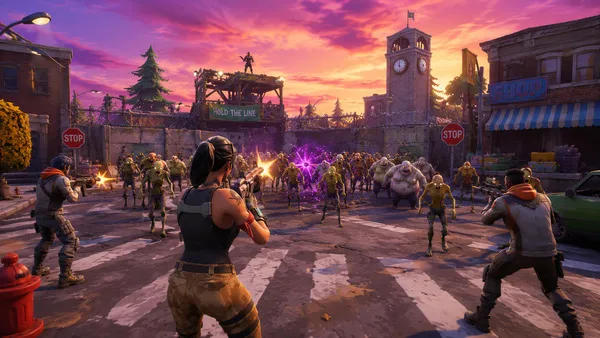
If you’ve avoided the game because building looked overwhelming, Fortnite Build vs Zero Build explains why that concern matters much less today than it did a few years ago.
Fortnite Became a Gaming Platform Instead of Just One Game
This is where many reviews undersell Fortnite.
Calling it a battle royale is technically correct, but it no longer tells the whole story.
On some evenings, Battle Royale is only a small part of the experience.
Players can jump into community-made experiences, racing modes, music events, survival maps, social spaces, or completely original creations built with Unreal Editor for Fortnite.
That changes how people spend time inside the game.
Years ago, losing several Battle Royale matches often meant logging off.
Today, many players simply switch activities.
It’s a subtle change, but it has dramatically improved Fortnite’s longevity.
Instead of asking, “Do I feel like playing Battle Royale tonight?”
Players often ask, “Do I feel like opening Fortnite?”
Those are two very different questions.
New Players No Longer Feel Completely Outmatched
Another major improvement is onboarding.
Returning after a long break used to feel brutal.
Today, the first few matches are designed to help players rebuild confidence rather than destroy it.
Skill-based matchmaking is better than it was years ago, and early lobbies often include AI-controlled opponents that give beginners room to understand basic mechanics before facing stronger competition.
Some experienced players criticize bots.
For completely new players, they’re incredibly useful.
Landing your first eliminations against manageable opponents feels far more encouraging than spending an evening staring at the lobby screen after thirty-second matches.
Eventually, those bots disappear as your performance improves.
By then, you’ve already learned the basics instead of questioning whether the game is worth learning at all.
That smoother onboarding experience is one of the biggest reasons Fortnite feels much more welcoming in 2026 than many people expect.
The next question, however, is one almost everyone asks before downloading the game: if Fortnite has changed so much, is anyone actually still playing it? That’s where player population tells only part of the story. The more important question is whether the game still feels alive every time you queue for a match.
Does Fortnite Still Have Enough Players?
Yes. More importantly, Fortnite still feels alive every time you queue for a match, and that’s a far better measure than chasing player count headlines.
Every few months, someone declares that Fortnite is “dying.” A viral post circulates, a streamer complains about the current season, and suddenly the same conversation appears again.
Then you log into the game.
A match starts in under a minute.
Friends are online.
The island is full.
New cosmetics are everywhere.
Nothing about the experience suggests you’re playing a game that’s running out of players.
That’s because raw player numbers rarely tell the whole story.
A multiplayer game can have millions of registered accounts and still feel empty if matchmaking takes forever or certain regions struggle to find games. Fortnite has largely avoided that problem because Epic designed the game around a massive global audience with cross-platform matchmaking.
Whether you’re playing on PC, PlayStation, Xbox, Nintendo Switch, or cloud gaming, everyone contributes to the same ecosystem.
That makes a noticeable difference.
Instead of splitting the community into isolated platforms, Fortnite keeps its player pool healthy throughout the day.
Queue Times Matter More Than Population Charts
Most players never check player statistics.
They notice something much simpler.
“How long am I waiting before the next match?”
Fortnite answers that question surprisingly well.
Even during quieter hours, public matches usually begin quickly. Ranked queues naturally take a little longer at higher skill levels, but that’s expected in almost every competitive game.
After returning from other multiplayer titles where waiting several minutes between games became normal, Fortnite still feels remarkably efficient.
The momentum never disappears.
You finish one match.
Review what happened.
Press Ready.
You’re back on the Battle Bus before you’ve finished your drink.
That seamless rhythm keeps sessions enjoyable because you’re spending time playing instead of staring at menus.
The Community Feels Bigger Than Battle Royale
One of Fortnite’s biggest advantages in 2026 isn’t simply having millions of active players.
It’s having players spread across dozens of different activities.
Some spend entire evenings in Battle Royale.
Others never touch it.
Creative maps continue attracting huge audiences because they offer everything from horror experiences to parkour challenges, role-playing servers, and community-made shooters.
Meanwhile, Festival, LEGO Fortnite experiences, and other modes keep different types of players engaged even when they aren’t chasing Victory Royales.
That diversity creates an interesting effect.
People rarely leave Fortnite completely.
Instead, they move between different parts of its ecosystem.
From a long-term perspective, that’s much healthier than relying on one single game mode.
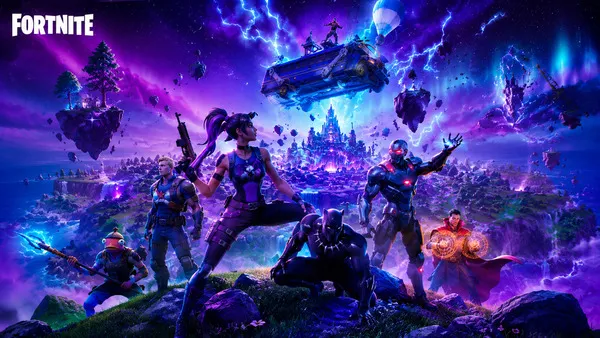
Returning Players Keep the Community Fresh
Another reason Fortnite remains active is that people constantly come back.
Unlike annual sports games where everyone migrates to the newest release, Fortnite evolves inside the same platform.
Someone who skipped two chapters can return without buying another game.
The familiarity helps.
The surprises keep things interesting.
Almost every major season brings back players who simply wanted to see what changed.
Some stay for a weekend.
Others disappear for months.
Many end up sticking around much longer than expected because they realize Fortnite feels very different from the version they remember.
That cycle repeats every year.
It’s one reason Fortnite continues feeling active even after so many years.
Population Isn’t the Real Question
Ironically, asking whether Fortnite has enough players misses the bigger point.
The better question is whether you’ll notice the difference while actually playing.
For most people, the answer is no.
Matches start quickly.
The world feels populated.
New content keeps conversations alive.
Finding teammates isn’t difficult.
In practical terms, Fortnite still behaves like one of the largest multiplayer games available.
How Difficult Is Fortnite for Beginners?
Fortnite is much easier to start than its reputation suggests, but becoming consistently good still takes time.
This is where outdated opinions continue to mislead new players.
Mention Fortnite to someone who hasn’t played in years, and they’ll often describe impossible building battles where experienced players construct entire cities before a newcomer can reload their weapon.
That version of Fortnite certainly existed.
It just isn’t the only version anymore.
The introduction of Zero Build fundamentally changed the beginner experience.
Instead of worrying about learning dozens of advanced building techniques on your first day, new players can concentrate on skills that transfer between almost every shooter.
Good positioning.
Smart rotations.
Weapon familiarity.
Awareness of the Storm.
Those fundamentals matter regardless of which mode you eventually choose.
The First Few Hours Feel Less Punishing
Fortnite quietly does something many competitive games struggle with.
It builds confidence before demanding mastery.
Early matches frequently include AI-controlled opponents mixed with players of similar experience.
Some veterans criticize that approach because they prefer immediate competition.
For beginners, it’s incredibly effective.
Landing your first elimination gives you confidence.
Winning your first firefight teaches basic mechanics.
Reaching the final circles helps you understand how pacing changes throughout a match.
Those experiences make people want to play again.
Without them, many newcomers would uninstall the game before learning anything meaningful.
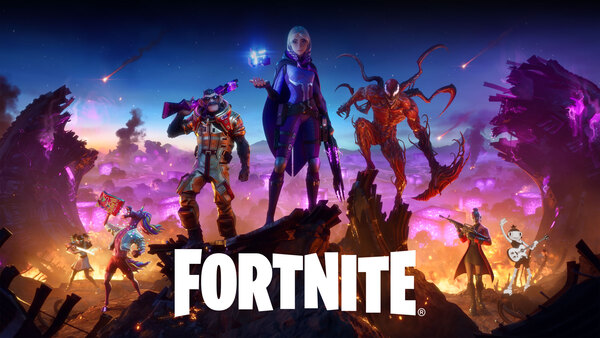
The Skill Ceiling Is Still Enormous
Making Fortnite beginner-friendly doesn’t mean making it easy.
Far from it.
After hundreds of hours, there are still situations that surprise experienced players.
The best competitors combine aim, movement, positioning, inventory management, map knowledge, timing, and game sense into decisions that happen almost instantly.
That’s why watching professional Fortnite still looks unbelievable.
The difference is that you no longer need professional-level mechanics just to enjoy public matches.
You can improve naturally.
One habit at a time.
One better decision every evening.
That’s a much healthier learning curve than trying to master everything immediately.
Mistakes Teach More Than Victories
One lesson becomes obvious after spending enough time with Fortnite.
The matches you lose often teach more than the ones you win.
Winning can hide mistakes.
Maybe another squad eliminated your biggest threat.
Maybe luck gave you better loot.
Maybe the Storm favored your position.
Losses are more honest.
They reveal poor rotations.
Greedy looting.
Bad positioning.
Overconfidence during the final circles.
Reviewing those moments is one of the fastest ways to improve.
Players who adopt that mindset usually progress much faster than those who blame every elimination on overpowered weapons or matchmaking.
If your goal is steady improvement rather than instant victories, Fortnite Beginner Guide explains the habits worth building first, while Fortnite Movement Guide helps eliminate one of the biggest weaknesses new players develop early on.
Beginner Difficulty by Category
| Skill | Difficulty | Why It Matters |
|---|---|---|
| Basic movement | Easy | Learned within a few matches. |
| Gunplay | Easy to Medium | Familiar for anyone who has played shooters. |
| Inventory management | Medium | Choosing the right loadout becomes important later. |
| Rotations | Medium | Strong positioning wins more games than flashy aim. |
| Building | Hard | High skill ceiling, but optional in Zero Build. |
| Game sense | Hard | Develops naturally through experience rather than tutorials. |
Table 2. Learning curve for new Fortnite players
Note: Zero Build removes the steepest barrier for beginners, allowing players to master core gameplay before exploring advanced mechanics.
Fortnite rewards curiosity more than perfection. Every match reveals a new shortcut, a smarter rotation, or a mistake worth remembering. That’s one reason so many players continue improving years after their first Victory Royale. The question isn’t whether the game is difficult. It’s whether that difficulty feels rewarding enough to keep coming back for one more match.
How Does Fortnite Compare to Other Popular Multiplayer Games?
Fortnite is no longer trying to be the best battle royale. It’s trying to be the game you keep coming back to, even when you’re tired of battle royales.
That’s an important distinction.
Years ago, comparing Fortnite meant asking whether its shooting felt better than PUBG or whether building was more fun than Apex Legends’ movement. In 2026, those comparisons only explain part of the picture because Fortnite has evolved into something much broader.
The better question is this.
“What kind of experience do you want tonight?”
If the answer changes from day to day, Fortnite suddenly becomes much more attractive.
Compared With Apex Legends
Apex Legends is still one of the smoothest shooters ever made.
Sliding downhill, chaining movement abilities together, and coordinating Legends during team fights creates an incredible competitive experience.
Fortnite feels different.
Movement exists to support creativity instead of becoming the entire skill ceiling.
One evening you’re driving through the map with your squad.
Another day you’re escaping a collapsing firefight using mobility items introduced only for the current season.
The pace constantly changes because Epic isn’t afraid to reinvent mechanics.
Players who enjoy mastering one highly refined combat system often prefer Apex.
Players who enjoy discovering something new every season usually stay with Fortnite much longer.
If you’re deciding between the two, Fortnite vs Apex Legends breaks down which game better fits different playstyles.
Compared With PUBG
PUBG still delivers tension better than almost any battle royale.
Every gunfight feels expensive.
Every mistake matters.
Footsteps create anxiety.
Silence becomes part of the gameplay.
Fortnite creates excitement instead of tension.
Matches move faster.
Players experiment more.
Losing expensive equipment isn’t part of the design philosophy.
That difference changes the emotional experience.
PUBG rewards patience.
Fortnite rewards adaptability.
Neither is objectively better.
It depends entirely on whether you want adrenaline built around survival or around creativity.
Compared With Call of Duty: Warzone
Warzone appeals to players who enjoy familiar military weapons, realistic environments, and faster respawns through systems like the Gulag.
Fortnite intentionally moves away from realism.
Its weapons rotate constantly.
The map embraces fantasy.
Vehicles, collaborations, and seasonal mechanics often become just as important as traditional gunplay.
Ironically, Fortnite’s willingness to be unpredictable has helped it avoid feeling repetitive.
Warzone often improves by polishing existing systems.
Fortnite improves by introducing entirely new ones.
That difference keeps discussions around new seasons surprisingly active even years after release.
Compared With Minecraft and Roblox
This comparison sounds strange until you realize how many players now spend time inside Fortnite without touching Battle Royale.
Creative experiences have fundamentally changed what Fortnite represents.
Minecraft focuses on building worlds.
Roblox focuses on user-generated experiences.
Fortnite increasingly sits somewhere between those two ideas while maintaining one of the biggest competitive multiplayer communities in gaming.
It’s no longer unusual for someone to launch Fortnite without planning to play Battle Royale at all.
That flexibility gives the game a lifespan that traditional shooters rarely achieve.
Comparison at a Glance
| Game | Biggest Strength | Best For | Weakest Area |
|---|---|---|---|
| Fortnite | Variety and constant updates | Casual and long-term players | Frequent meta changes |
| Apex Legends | Movement and team combat | Competitive squads | Higher learning curve |
| PUBG | Tactical realism | Survival-focused players | Slower pacing |
| Warzone | Military gunplay | Traditional FPS fans | Can feel repetitive between updates |
| Minecraft | Creativity | Builders and explorers | Limited competitive action |
| Roblox | Endless community content | Younger audiences and creators | Inconsistent quality between experiences |
Table 3. How Fortnite compares with its biggest competitors in 2026
Note: These games succeed for different reasons. Choosing one depends more on your preferred experience than on objective quality.
What Keeps Players Coming Back After All These Years?
Fortnite succeeds because it constantly gives players a reason to say, “Just one more match.”
That sounds simple, but very few live-service games maintain that feeling for nearly a decade.
Most multiplayer titles eventually become predictable.
Maps stay familiar.
Strategies become solved.
Updates feel incremental.
Fortnite deliberately avoids that trap.
Every Season Feels Like a Soft Reset
Returning to Fortnite after several months never feels identical.
The map changes.
Weapons rotate.
Mobility shifts.
Strategies evolve.
Sometimes even experienced players spend the first evening experimenting instead of trying to win.
That shared discovery creates something multiplayer games rarely achieve.
Veterans and newcomers occasionally learn together.
Nobody knows every optimal strategy during the first days of a new season.
That uncertainty keeps the community engaged.
The Stories Are Better Than the Statistics
Ask longtime Fortnite players about their favorite memory.
Most won’t mention kill/death ratio.
They’ll remember a ridiculous escape.
A last-second revive.
Winning with almost no health left.
Accidentally surviving because another squad started fighting first.
Those moments can’t be scripted.
That’s why Fortnite produces memorable stories far more often than memorable scoreboards.
Years later, people still remember the funniest match they ever played.
Very few remember how many eliminations they averaged during a particular season.
Friends Change Everything
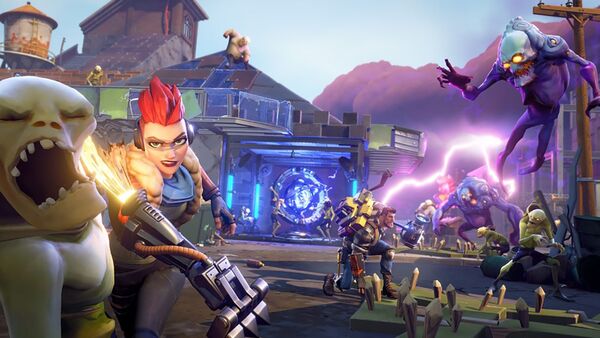
Playing Fortnite alone is enjoyable.
Playing with friends transforms the experience.
Some of the funniest evenings happen when nobody plays particularly well.
Someone forgets to heal.
Another teammate drives straight into danger.
The entire squad somehow survives anyway.
Those moments become inside jokes that continue long after the game ends.
That’s one reason Fortnite has remained remarkably resilient.
Players don’t simply return for content.
They return because it’s where their friends meet.
Biggest Reasons Players Eventually Quit
Most players don’t leave Fortnite because the game suddenly becomes bad.
They leave because their priorities change or because they approach the game with unrealistic expectations.
Understanding why people quit is surprisingly useful because many of those reasons are avoidable.
Chasing Every Battle Pass Becomes Exhausting
Fortnite rewards regular play.
It doesn’t require endless grinding.
Some players forget that distinction.
Trying to unlock absolutely everything eventually turns entertainment into obligation.
Once the game starts feeling like another task on your daily checklist, burnout arrives quickly.
Ironically, players who ignore occasional rewards often stay with Fortnite much longer than completionists who try collecting every cosmetic.
Expecting Constant Victories
Battle Royale naturally produces more losses than wins.
That’s the genre.
Yet many new players quietly assume they’re failing if they don’t win often.
Experienced players think differently.
They celebrate better positioning.
Smarter rotations.
Winning difficult fights.
Surviving longer than yesterday.
Victory Royales eventually follow those improvements.
Focusing only on first place usually creates unnecessary frustration.
If you’re struggling with early matches, Fortnite Beginner Guide explains why progress should be measured by better decisions rather than simply counting wins.
Playing the Same Way Every Season
Fortnite constantly evolves.
Players who refuse to adapt often convince themselves the game became worse when, in reality, their strategy simply stopped working.
One season rewards mobility.
Another rewards positioning.
Different weapons create different pacing.
Learning those shifts is part of Fortnite’s identity.
The players who continue enjoying the game are usually the ones willing to experiment instead of forcing last year’s strategy into a completely different meta.
Comparing Fortnite to the Past Instead of the Present
Perhaps the biggest trap affects returning players.
Many reinstall Fortnite hoping to recreate memories from Chapter 1.
That experience no longer exists.
Neither does the gaming landscape that surrounded it.
The smartest returning players don’t search for nostalgia.
They judge Fortnite for what it has become.
Interestingly, many end up enjoying it more than expected because they stop comparing every update to a version of the game that existed years ago.
Common Reasons Players Stop Playing
| Reason | Can It Be Avoided? | Practical Advice |
|---|---|---|
| Burnout from grinding | Yes | Play for fun, not cosmetics alone. |
| Frustration after losing | Yes | Focus on improvement instead of wins. |
| Playing solo too often | Usually | Queue with friends or join community groups. |
| Refusing to learn new metas | Yes | Treat each season as a fresh challenge. |
| Nostalgia for old Fortnite | No | Judge today’s game on its own strengths. |
Table 4. Why players eventually leave Fortnite and how to avoid it
Note: Most long-term Fortnite players take occasional breaks between seasons. Ironically, stepping away for a while often makes returning much more enjoyable.
After years of updates, one pattern remains remarkably consistent. The players who enjoy Fortnite the longest aren’t necessarily the most skilled. They’re the ones who stay curious. Every season gives them another excuse to explore, experiment, and create new stories instead of trying to relive old ones. That’s a surprisingly rare quality in modern multiplayer games, and it’s ultimately why Fortnite is still relevant in 2026.
Is Fortnite Free, or Will You Eventually Need to Spend Money?
Yes, Fortnite is genuinely free to play, and most players can enjoy hundreds of hours without spending a single dollar.
That answer sounds too simple because many free-to-play games eventually pressure players into opening their wallets. Fortnite has certainly built an enormous cosmetic business, but it has done something surprisingly rare in modern gaming.
It has largely kept gameplay separate from monetization.
If someone defeats you in Fortnite, it’s because they played better, positioned smarter, or simply had a better moment during that match. It isn’t because they purchased stronger weapons.
That distinction matters.
After years of playing different live-service games, Fortnite remains one of the better examples of monetization that mostly stays out of gameplay balance.
Cosmetics Are Everywhere, But They Don’t Win Matches
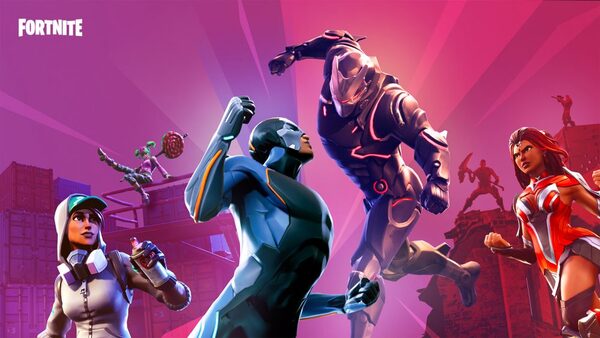
Walk into any lobby and you’ll immediately notice dozens of elaborate skins.
Marvel heroes.
Anime characters.
Movie icons.
Original Fortnite designs.
At first glance, it almost feels like cosmetics define the game.
They don’t.
After the match begins, everyone still lands with the same basic equipment.
Nobody starts with stronger armor.
Nobody buys additional health.
Nobody unlocks exclusive weapons through the Item Shop.
Cosmetics change appearance, not performance.
That sounds obvious, yet it’s one of the biggest reasons Fortnite has maintained a healthy competitive environment.
Players spend money because they want to look different.
Not because they have to.
Is the Battle Pass Worth Buying?
For most active players, yes.
For casual players, not necessarily.
The Battle Pass becomes worthwhile if you expect to play regularly throughout a season.
Completing challenges naturally unlocks skins, V-Bucks, emotes, and other cosmetics without demanding absurd amounts of grinding.
Years ago, Battle Passes sometimes felt stressful.
Today, Fortnite gives players considerably more flexibility.
Missing one evening rarely feels disastrous.
Playing naturally usually unlocks most rewards without turning the game into a second job.
That said, there’s an easy mistake many newcomers make.
Buying the Battle Pass before knowing whether they actually enjoy Fortnite.
It’s much smarter to spend your first week simply playing.
If you find yourself logging in every evening anyway, then the Battle Pass becomes an easy decision.
Can You Stay Competitive Without Spending Money?
Absolutely.
Competitive Fortnite doesn’t care how expensive your locker looks.
Some of the strongest players you’ll encounter use basic skins simply because they’re familiar and visually clean.
Meanwhile, plenty of players wearing the newest crossover outfit get eliminated within the first few minutes.
Skill remains the deciding factor.
Game sense matters more than cosmetics.
Movement matters more than cosmetics.
Positioning matters more than cosmetics.
The Item Shop changes every day.
Good decision-making never goes out of style.
What Would I Recommend to Different Types of Players?
Whether Fortnite is worth playing depends far more on your personality than your gaming history.
People often ask whether Fortnite is “good.”
That’s the wrong question.
The better question is whether Fortnite fits the way you enjoy spending your free time.
If You’ve Never Played Fortnite Before
Download it.
Play Zero Build.
Ignore the cosmetics.
Forget about winning.
Spend your first few evenings learning the map and experimenting with different weapons.
New players often worry about looking inexperienced.
The reality is nobody notices.
Everyone starts somewhere.
You’ll probably enjoy the experience much more if curiosity replaces pressure.
Once the basics feel comfortable, Fortnite Beginner Guide covers the habits that make improvement feel much more natural.
If You Quit Years Ago
Come back with fresh expectations.
Don’t expect Chapter 1.
Don’t expect your favorite landing spot to still exist.
Don’t expect every weapon to behave exactly as you remember.
Expect a better onboarding experience.
Expect more variety.
Expect a game that’s surprisingly comfortable letting players choose how they want to play.
Many returning players discover they enjoy Fortnite more today because they stop chasing nostalgia.
If You’re Looking for a Long-Term Main Game
Fortnite is still one of the safest recommendations available.
Not because every season is perfect.
None are.
Instead, Epic consistently gives players reasons to return.
Fresh mechanics.
New collaborations.
Creative experiences.
Map changes.
Competitive updates.
Some seasons will resonate more than others, but the overall platform rarely stands still.
That consistency matters more than individual updates.
If You Only Have a Few Hours Each Week
Fortnite still makes sense.
Some live-service games punish limited playtime.
Fortnite generally doesn’t.
Even two or three enjoyable sessions each week feel meaningful.
You aren’t expected to memorize complicated raid mechanics or coordinate large groups.
You simply queue, play, and create your own memorable moments.
That’s one reason Fortnite remains surprisingly welcoming for adults with work, family, or other commitments.
Recommendation by Player Type
| Player Profile | Recommendation | Why |
|---|---|---|
| Completely new to shooters | Recommended | Zero Build makes learning approachable. |
| Returning after several years | Highly Recommended | The game feels familiar while offering plenty of fresh content. |
| Competitive FPS veteran | Recommended | High skill ceiling with room to improve. |
| Casual weekend player | Highly Recommended | Easy to enjoy without heavy commitment. |
| Story-focused solo gamer | Maybe | Multiplayer remains the primary attraction. |
| Hardcore realism fan | Probably Not | Fortnite intentionally embraces fantasy over simulation. |
Table 5. Who should play Fortnite in 2026?
Note: Personal preference matters more than experience level. Even complete beginners often enjoy Fortnite if they approach it with realistic expectations.
Final Verdict: Is Fortnite Worth Playing in 2026?
Yes. Fortnite remains one of the easiest multiplayer games to recommend in 2026, not because it’s flawless, but because it continues evolving without forgetting why people fell in love with it in the first place.
The most impressive thing about Fortnite isn’t its player count or its endless collaborations.
It’s adaptability.
Few games survive this long while continuing to attract completely new audiences.
Even fewer manage to satisfy returning veterans at the same time.
Fortnite has accomplished that by refusing to become predictable.
Every season changes something.
Sometimes those changes succeed brilliantly.
Sometimes they divide the community.
Either way, the game never feels stagnant.
That’s a healthier place to be than quietly fading into routine.
After spending years with Fortnite across multiple chapters, one conclusion stands out.
The players who enjoy it most aren’t necessarily the ones with the highest win rates.
They’re the players willing to embrace uncertainty.
They laugh at ridiculous eliminations.
They experiment with strange loadouts.
They adapt when the meta changes.
They take breaks when needed and return when curiosity wins again.
If that sounds like the way you enjoy multiplayer games, Fortnite still deserves a place in your library.
If you’re ready to jump in, the smartest next step isn’t worrying about advanced mechanics or competitive rankings. Start with Fortnite Beginner Guide, learn the fundamentals, then continue with Fortnite Build vs Zero Build to decide which experience fits your playstyle. By the time you’ve played a dozen matches, you’ll probably have your own answer to the question that brought you here.
The answer won’t come from player statistics or review scores.
It’ll come from that moment when you tell yourself, “Just one more match.”